

Equal-i-zer Weight Distribution Hitch: Complete Review & Sizing Guide
By H. Kent Sundling (MrTrailer) | Updated October 2026
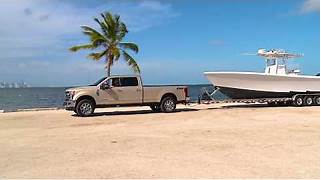
#image_Boats too
When towing heavy travel trailers, toy haulers, or equipment trailers, controlling lateral trailer sway is critical for highway safety. The Original Equal-i-zer 4-Point Sway Control Hitch has been an industry benchmark for decades, combining weight equalizing physics with integrated rotational and linear friction resistance. One of the few WDH’s that work with boats and surge brakes.
What Is the Original Equal-i-zer 4-Point Sway Control Hitch?
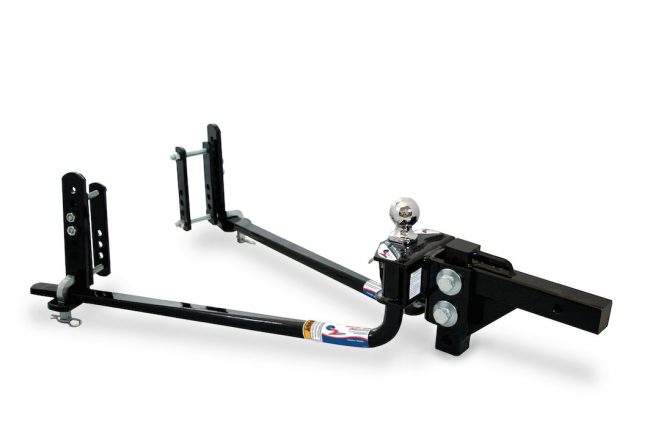
#image_Equalizer WDH
The Equal-i-zer hitch is engineered to restore proper front-axle load on your tow vehicle while resisting side-to-side trailer motion caused by crosswinds, passing semi-trucks, and uneven road surfaces.
How Integrated 4-Point Sway Control Works
The patented 4-point system operates across two key friction zones:
- Points 1 & 2 (Rotational Head Friction): Heavy-duty downward and upward clamping force in the hitch head creates continuous rotational resistance at the pivot pins.
- Points 3 & 4 (Linear Bracket Friction): Rigid forged steel spring bars rest on frame-mounted L-brackets, generating progressive linear friction as the trailer attempts to pivot. Equalizer WDH Video
Equal-i-zer Hitch Sizing & Capacity Ratings
Selecting the right hitch rating depends on your trailer’s fully loaded tongue weight rather than dry catalog specs:
| Model Rating (GTW) | Max Tongue Weight (TW) | Recommended Trailer Types |
|---|---|---|
| 6,000 lbs | 600 lbs | Lightweight travel trailers, small horse trailers (1–2 horse) |
| 10,000 lbs | 1,000 lbs | Mid-size travel trailers (24–30 ft), loaded cargo haulers |
| 12,000 lbs | 1,200 lbs | Large travel trailers (30+ ft), heavier multi-horse trailers |
| 14,000 lbs | 1,400 lbs | Heavy toy haulers, equipment trailers, luxury travel trailers |
| 16,000 lbs | 1,600 lbs | Commercial-grade bumper-pull trailers, heavy equipment rigs |
Equal-i-zer vs. Andersen & Traditional Hitches
To understand how the Equal-i-zer compares against alternative systems like the Andersen No-Sway Weight Distribution Hitch and classic chain-hung hitches, review the side-by-side comparison below: https://mrtruck.com/equalizerwdh.htm
| Feature / Metric | Equal-i-zer 4-Point WDH | Andersen ‘No-Sway’ WDH | Standard Round-Bar / Chain WDH |
|---|---|---|---|
| Sway Control Tech | 4-Point head and L-bracket friction | Internal ball friction cone + chains | Add-on friction sway bars |
| Max Capacity | Up to 16,000 lbs GTW | Up to 14,000 lbs GTW | Typically 6,000 to 12,000 lbs GTW |
| Backing Up / Reversing | Full reverse allowed | Full reverse allowed | Must remove friction bars |
| Spring Bar Design | Rigid forged steel bars | Tension chains with urethane bushings | Flexible round bars hung on chains |
| Noise Level | Normal friction groan (nylon pads optional) | Virtually silent operation | Creaking and popping during turns |
| Maintenance | Grease on head sockets; clean L-brackets | Greaseless ball; no lube required | Frequent grease on trunnion sockets |
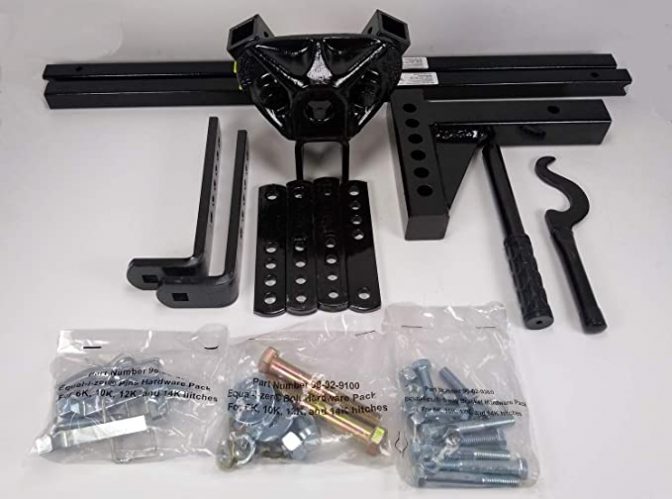
#image_kit
Installation & Adjustment Guide
- Measure Uncoupled Wheel Well Heights: Measure from the ground to the top of your tow vehicle’s front and rear fender wells before hitching.
- Adjust Head Tilt (Spacer Washers): Insert spacer washers onto the head tilt pin to adjust downward angle and increase load transfer to the front axle.
- Position the L-Brackets: Mount the trailer frame L-brackets 27″ to 32″ back from the coupler center and ensure they sit level with the spring bars.
- Verify Front-End Restoration: Lower the trailer weight onto the ball and engage the spring bars with the snap-up lever. Check that the front fender height returns to within 1/2″ of its unloaded measurement.
Frequently Asked Questions
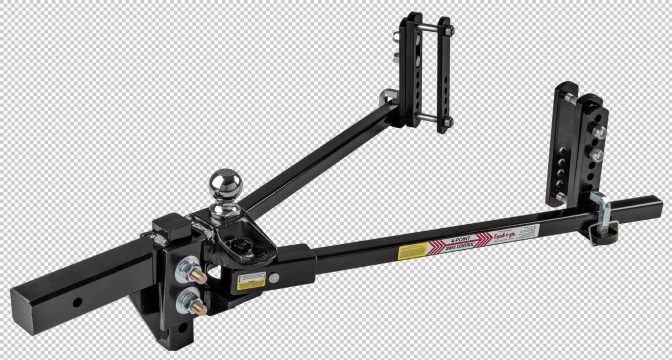
#image_Equaizer WHD
Can you back up a trailer with an
Related Reviews: Read our field test of the Andersen ‘No-Sway’ Weight Distribution Hitch
| MrTruck, Kent Sundling. First 32 years on the farm, moved to the big city to sell trucks to save the farm AD (after the divorce) sold pickup trucks for 10 years in Denver. Last 26 years I review trucks, trailers and towing accessories in horse magazines, Farm Journal, Fence Post and on RFD TV. Now I’m a trailering expert helping newbies be safe towing a trailer. |


